

Custom Sculptural Lighting Design Process: A 2026 Guide
Table of Contents
- What Is the Custom Sculptural Lighting Design Process?
- Lighting Design Prototyping: Why the First Sketch Is Never the Final Piece
- Benefits of Investing in Artisan Made Light Fixtures
- Custom Lighting Lead Times: What to Expect and How to Plan
- Material Selection and Handmade Craftsmanship in Custom Sculptural Lighting
- Maintenance and Longevity of Custom Sculptural Pieces
- Legal and Safety Compliance for Custom Fixtures
- Conclusion
- Frequently Asked Questions
Last Updated: September 19, 2026
What Is the Custom Sculptural Lighting Design Process?
The custom sculptural lighting design process runs from first idea to a finished, one-of-a-kind fixture, through several stages: discovery, concept sketches, prototyping, material selection, fabrication, and installation.
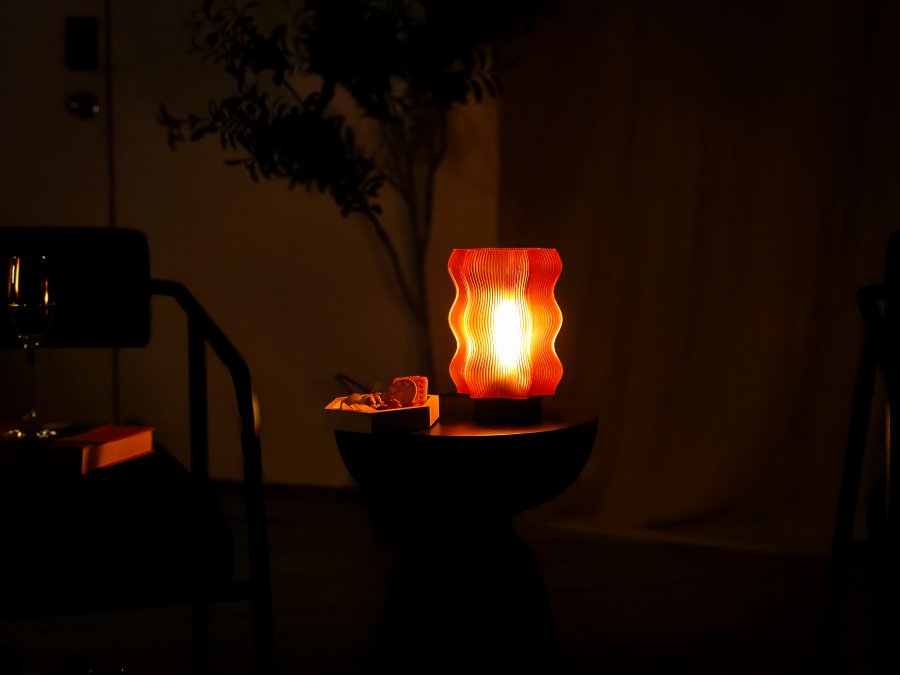
Most people meet lighting through a catalogue: pick a shape, a finish, a size, and it arrives in a box. Custom work runs the other way.
From Concept to Installation: A Step-by-Step Overview
Here is the full path in plain terms:
- Discovery: We talk about the room, the light you want, and how you use the space.
- Concept development: Sketches explore form, scale, and light distribution.
- Prototyping: A physical model tests the design in real conditions.
- Material selection: We source and sample finishes, glass, and metalwork.
- Fabrication: Hand assembly, wiring, and testing in the studio.
- Installation: Final setup, positioning, and adjustment.
The Electrical Safety Authority's guide to electrical product approval explains why the testing stage is not optional. Any fixture that connects to your home's wiring has to meet safety standards before it goes up.
How Sculptural Lighting Differs from Standard Fixtures
A standard fixture fills a room with light. A sculptural piece shapes how that room feels.
Three things change:
- Visual weight. A sculptural piece carries presence even when switched off.
- Light distribution. It controls where light lands, not just how much there is.
- Spatial rhythm. It creates a focal point that other objects arrange themselves around.
Lighting Design Prototyping: Why the First Sketch Is Never the Final Piece
The first sketch is a starting point, not a plan. Prototyping exists because paper cannot show you how light behaves.
What a Prototype Is Actually Testing
A prototype is not a small version of the finished piece. It is a question made physical. Each round answers a specific set of unknowns:
- Light behavior. Where the beam lands, how wide it spreads, and whether the edge of the pool is soft or hard.
- Scale in context. How the form reads from the sofa, the doorway, and the far corner of the room.
- Shadow play. Whether the piece throws a pattern you want on the wall or one you will spend the next decade trying to ignore.
- Stability and balance. Whether a tall form stays upright on a real surface, and whether the base footprint suits the table it will live on.
- Glare. Whether the source is visible from seated eye level. This is the single most common flaw in sculptural lighting, and it rarely shows up on a bench.
The Methods Behind the Mock-Up
Studios often work through increasingly resolved models rather than jumping straight to the final object:
- Paper and card mock-ups. Fast, cheap, and surprisingly useful for testing silhouette and scale in the actual room. A cardboard stand-in at full size tells you more about proportion than any rendering.
- Rapid prototypes. Foam, wire, or 3D-printed forms test structure and mounting before any expensive material is cut.
- Working prototypes. The first version with real wiring, a real light source, and a real diffuser. This is where photometric behavior becomes visible.
- Pre-production sample. The near-final piece, finished and assembled the way the delivered object will be.
Why the Light Source Changes the Design
A form that looks elegant with one light source can look clumsy with another. The LED module, its color temperature, and its beam angle all reshape how the piece reads.
The Revision Reality
Common adjustments during prototyping:
- Scaling a form up or down to suit the room
- Changing the shade material to soften or sharpen the glow
- Moving the light source to fix an awkward shadow
- Reworking a base so the piece sits right on your surface
- Adjusting the diffuser to remove glare from seated sightlines
This is where a good idea becomes a working object, and the stage clients enjoy most, they can see and touch the direction before committing.
Benefits of Investing in Artisan Made Light Fixtures
The benefits of investing in artisan made light fixtures come down to three things: light quality, longevity, and character. A handmade piece is built around how light behaves in a room, not around a production line.
Here is what that means in practice:
- Softer, warmer light. Hand-finished shades and diffusers spread light gently instead of throwing it.
- A piece made for your space. Scale, finish, and form respond to your room.
- Repairable construction. Parts can be serviced rather than replaced wholesale.
- Small-batch production. Fewer identical pieces exist, and each one carries maker marks.
Custom Lighting Lead Times: What to Expect and How to Plan
Custom lighting lead times vary. The range is wide because prototyping and fabrication are hand work, not queue work.
A rough planning table:
| Stage | Typical Duration | What Delays It |
|---|---|---|
| Discovery and concept | 3-5 weeks | Slow decisions on direction |
| Prototyping | 3-6 weeks | Multiple revision rounds |
| Material selection | 1-2 weeks | Backordered glass or metal |
| Fabrication and testing | 4-10 weeks | Complex custom metalwork |
| Installation | 1 day | Room not ready |
Material Selection and Handmade Craftsmanship in Custom Sculptural Lighting
Material selection decides how a piece looks, ages, and feels to live with. It is where design intent meets physical reality.
What we weigh at this stage:
- How the material takes light. Some surfaces glow, others absorb.
- How it ages. Patina on metal can be a feature or a problem.
- How it fits the room. Warm finishes suit quiet spaces; cooler tones read sharper.
- How it is sourced. More on this below.
How the Main Materials Behave
Each material family brings its own logic, and the choice is rarely reversible once fabrication begins.
Sustainability and Eco-Conscious Sourcing
Custom lighting has a real environmental footprint. Metalwork is energy-intensive to refine and finish, glass blowing requires sustained high heat, and LED modules contain electronics difficult to recycle at end of life. None of that disappears because a piece is handmade.
- Repairability. A piece built from serviceable components can be rewired, refinished, or partially replaced instead of discarded. A sealed mass-produced fixture usually cannot.
- Longevity. A fixture designed to last decades spreads its embodied impact across a much longer service life than a piece replaced every few years.
- Local sourcing. Sourcing metal, glass, and finishes from regional suppliers reduces transport emissions and shortens the supply chain, which also makes replacement parts easier to obtain later.
- Material choice. Recycled brass and reclaimed wood are increasingly available and behave much like their virgin counterparts. Finishes that patina gracefully avoid the need for chemical re-coating.
- LED integration. Choosing a replaceable LED module rather than a sealed integrated unit means the light source can be updated without scrapping the fixture.
Why Handmade Changes the Material Conversation
A production line optimizes for consistency; a maker optimizes for the specific piece in front of them. That difference shows up in the finished object:
- Small variations in hand-blown glass become features rather than defects.
- A maker can adjust a finish mid-process if a sample reads wrong at scale.
- Components can be made to fit the actual room rather than a standard dimension.
- Repairs are possible because the maker knows how the piece was assembled.
Maintenance and Longevity of Custom Sculptural Pieces
A well-made sculptural piece should last decades with very little attention. The care routine is short: dust gently, check connections yearly, and keep the piece away from direct sun and heavy moisture.
Legal and Safety Compliance for Custom Fixtures
Custom fixtures sold in Canada must meet electrical safety requirements before installation. This is not a formality, and not something a maker can skip.
Conclusion
Commissioning a sculptural light takes patience. It also gives you something a catalogue never can: a piece built for your room, your light, and the way you actually live after dark.
Frequently Asked Questions
What are the core stages of the custom sculptural lighting design process?
The process typically begins with a discovery conversation about your space and how you use it, followed by concept sketches and material sampling. Lighting design prototyping comes next, where scale and light quality are tested. Once approved, fabrication begins, then final assembly and installation. Each stage keeps you involved so the finished piece matches both your design intent and the room's needs.
How long does the custom lighting design and fabrication process take?
Custom lighting lead times vary. It is best to discuss your timeline early, especially if you are coordinating with a renovation. A clear schedule helps you plan installation without rushing the craftsmanship.
Why is prototyping essential in sculptural lighting design?
Prototyping lets you see how a piece actually behaves in a room, not just on paper. It reveals how light distribution, scale, and finish interact with your space. Adjustments made at this stage prevent costly surprises later and ensure the final fixture feels intentional rather than improvised. Skipping prototyping often leads to pieces that look right in photos but disappoint in person.
What materials are best suited for custom sculptural lighting?
Materials are chosen for both aesthetics and performance. The right choice depends on your design intent, maintenance preferences, and how the piece will be used. Discussing options during material sampling helps you balance beauty, durability, and care requirements.