

7 Benefits of Handmade Sculptural Lighting
Table of Contents
- Why Handmade Sculptural Lighting Changes a Room
- 1. A Focal Anchor That Creates Visual Hierarchy
- 2. The Materiality and Craftsmanship of Handcrafted Pieces
- 3. Functional Art: More Than Just Ambient Lighting
- 4. The Benefits of Small-Batch Lighting Production
- How to Style Sculptural Lighting in Your Space
- Investment Value and Care for Your Statement Chandelier
- Conclusion: Choosing Intention Over Mass Production
- Frequently Asked Questions
Last Updated: September 8, 2026
Why Handmade Sculptural Lighting Changes a Room
Lighting determines how a space feels more than any other single element, yet most rooms default to the same mass-produced fixtures. The benefits of handmade sculptural lighting go beyond simple illumination; a handcrafted piece introduces warmth, texture, and a sense of human intention that factory lines cannot replicate. At ORIJA, a Toronto-based design studio, we craft each sculptural lighting piece by hand in our Ontario studio, bringing warmth, character, and a calming atmosphere into your living space. Below, we break down exactly why these pieces matter, how to style them, and what they offer that production lighting does not.
Handmade sculptural lighting is a functional art object that serves as the visual anchor of a room while providing soft, ambient light. Unlike a standard lamp or flush mount, a sculptural fixture is designed to be looked at as much as it is used. This dual purpose changes how you plan a space, because the light source becomes part of the architecture of the room itself.
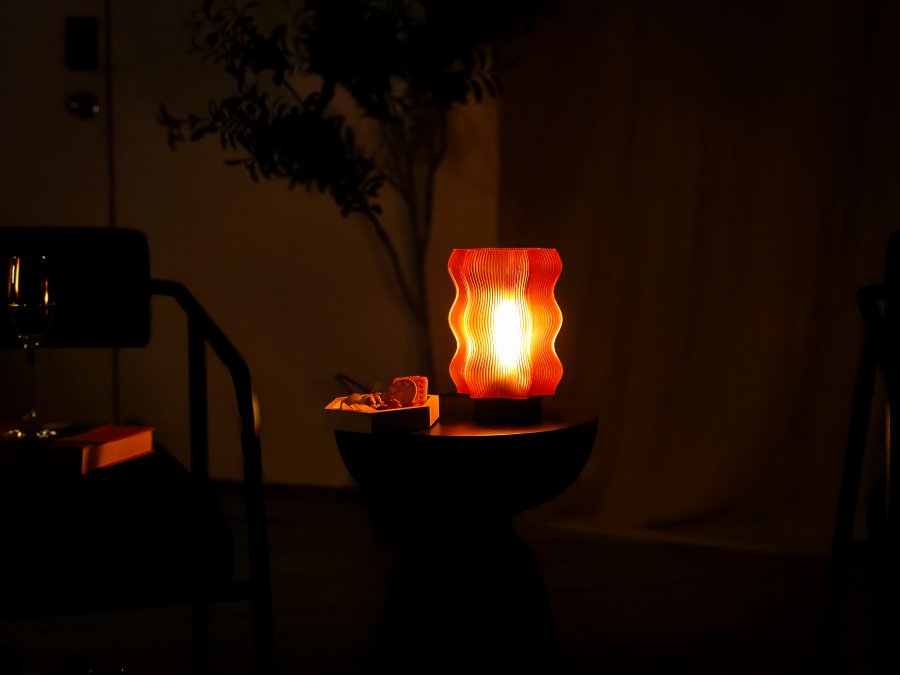
A warm, modern living room in the evening with a sculptural handmade lighting fixture as the main light source, casting soft shadows on textured plaster walls
1. A Focal Anchor That Creates Visual Hierarchy
Every well-designed room needs a point where the eye lands first, and a sculptural light provides that focal anchor naturally. When you walk into a space with a statement chandelier or an organic pendant, your gaze is drawn upward and the rest of the furniture arrangement falls into place around it. This creates visual hierarchy without requiring extra decor.
The practical effect is that you need less to make a room feel complete. One substantial handmade piece can replace the need for several smaller decorative objects. Interior designers often use this principle to give a space a clear design language, letting the fixture set the tone for everything else. If you are struggling with a room that feels flat or disjointed, introducing a single sculptural element is often the most effective correction.
2. The Materiality and Craftsmanship of Handcrafted Pieces
Mass production prioritizes uniformity, while handcrafted lighting celebrates the subtle variations that make each piece unique. The materiality of a handmade fixture, whether it is textured plaster, hand-blown glass, or formed metal, adds a layer of depth that flat, machine-made surfaces simply do not have. These organic forms catch light differently from every angle, creating shifting shadows and highlights throughout the day.
Craftsmanship also means the piece is built to last. A handmade fixture is finished, tested, and inspected by the person who made it, not just passed down a conveyor belt. This attention to detail results in a design element with true material integrity. The texture and softness of the materials also contribute to better light diffusion; instead of a harsh glare, the shade or form scatters the light gently, creating the calming atmosphere that many homeowners are searching for.
3. Functional Art: More Than Just Ambient Lighting
The line between decor and art blurs when a light fixture is designed with sculptural intention. Functional art earns its place because it performs a job while also expressing an artistic point of view. A sculptural chandelier is a three-dimensional art piece that you can live inside, rather than something you hang on a wall and view from a distance.
This distinction matters for the emotional connection you build with your home. A mass-produced light is replaceable; a handmade piece carries the artistic expression of its maker and becomes part of your personal design narrative. The aesthetic appeal of these fixtures means they work even when they are turned off, serving as a statement piece that guests notice immediately. For design enthusiasts who value bespoke objects, this shifts lighting from a utility purchase to an intentional investment in your daily environment.
4. The Benefits of Small-Batch Lighting Production
Small-batch production offers advantages that go beyond the object itself. When a piece is made to order, you are not buying from a warehouse full of identical stock; you are commissioning a fixture that is made specifically for your space. This often allows for a degree of customization, whether that means adjusting the scale to fit a low ceiling or choosing a finish that matches your existing hardware.
There is also a sustainability argument for small-batch work. Creating fixtures only when they are ordered reduces waste from unsold inventory, and the focus on quality over quantity means the piece is less likely to end up in a landfill (the EPA). Many consumers are also drawn to the transparency of knowing exactly where and how their goods are made. When you choose a handmade, made-to-order piece, you support a model of production that values intention over volume, which is a meaningful alternative to the disposability of fast home goods.
How to Style Sculptural Lighting in Your Space
Knowing how to style sculptural lighting is about placement and layering rather than just picking a fixture. The most common mistake is hanging a sculptural piece too high, which removes it from your line of sight and diminishes its impact. Hang pendants and chandeliers lower than you think, typically so the bottom sits well above head height but still interacts with the space around a dining table or seating area.
The Layering Strategy: Avoiding Visual Clutter
The biggest challenge with a sculptural piece is that it is visually loud. Without a deliberate layering strategy, you end up with a room that feels chaotic rather than curated. The goal is to let the sculptural fixture be the hero while ensuring the space remains functional. Here is a practical framework for integration.
Define the Role of the Sculptural Piece First. Decide if your piece is providing ambient light (general illumination) or accent light (highlighting a specific area). Most sculptural fixtures with diffused materials (like plaster or opal glass) are best suited for ambient light. If the bulb is exposed or the material is clear glass, treat it as an accent piece that provides sparkle, not primary illumination.
Build the Ambient Layer Around It. If your sculptural piece is your ambient source, you need to ensure it is sized correctly for the room's square footage. A common guideline is that a fixture needs adequate wattage to light a space (energy.gov). If your sculptural piece does not meet that threshold, you must supplement it with recessed lighting or floor lamps on a separate dimmer circuit to fill the gaps without competing for attention.
Add Task Lighting with Intention. Task lighting (for reading, cooking, or desk work) should be visually quiet. Choose fixtures with a small footprint or a simple, monochromatic design that recedes into the background. The goal is to have the light source disappear so the eye stays on the sculptural centerpiece. Position task lights so they illuminate the activity, not the sculptural piece, to avoid creating competing shadows.
Use Dimmers to Control the Hierarchy. The most effective tool in your arsenal is a dimmer switch. During the day, you can run the sculptural piece at 20% to create a subtle sculptural shadow. In the evening, you can raise it to 100% for a dramatic focal point. This dynamic control allows one fixture to serve multiple moods without adding visual clutter.
Technical Placement: Scale and Sightlines
Sculptural lighting works best when it is part of a layered lighting strategy. Use your handmade piece as the primary ambient lighting source, but keep secondary task lighting nearby for reading or focused work. This allows you to enjoy the art piece without sacrificing function.
The 30-Degree Rule for Sightlines. When hanging a piece in a living room or entryway, position it so that when you are seated, the bottom of the fixture is at or slightly above your eye level. A practical guideline is to hang the bottom of the fixture at an appropriate height for the room's ceiling. This keeps it out of the way of traffic but low enough to be seen without craning your neck.
Proportion Against Furniture. A sculptural fixture should be roughly one-half to two-thirds the width of the surface it is anchoring. Over a dining table, the fixture should be at least 12 inches narrower than the tabletop on each side to avoid feeling cramped (extension.iastate.edu). In a seating area, the diameter of the fixture should be proportional to the size of the rug or the main sofa grouping.
The 'Negative Space' Styling Trick
A sculptural fixture needs room to breathe. A common styling error is surrounding the fixture with other tall decor objects (vases, plants, shelves) that compete for the same vertical sightline. To make the sculpture pop, clear the visual zone around it. Keep side tables low, avoid placing tall floor lamps within 3 to 4 feet of the hanging piece, and let the fixture cast its shadow on a relatively empty wall or ceiling plane. This negative space acts as a frame, making the intricate details of the handmade piece far more noticeable than if it were surrounded by visual noise.
A sculptural fixture also brings warmth and character to a room, so pair it with natural materials like wood, linen, and stone to let the texture of the light stand out. By treating the fixture as the anchor of a layered system rather than a standalone object, you ensure it enhances the room's function without overwhelming its style.
Investment Value and Care for Your Statement Chandelier
A handmade statement chandelier is an investment, but its value holds differently than a mass-produced alternative. Because it is made to order and built by hand, the piece retains a uniqueness that cannot be replicated. While the upfront cost is higher, the longevity of a well-made fixture means you will not be replacing it in a few years when trends shift. This makes it a more sustainable choice for your wallet and the environment over time.
Caring for a sculptural light is straightforward but requires a gentle hand. Dust the fixture regularly with a soft, dry cloth or a feather duster to prevent buildup. Avoid harsh chemical cleaners, which can damage the finish or texture of handmade materials. Depending on the material, you may occasionally need to wipe it down with a slightly damp cloth and dry it immediately. The key is to handle it with the same care you would give any piece of art, ensuring it remains a centerpiece for decades.
Conclusion: Choosing Intention Over Mass Production
The push toward mass production has made homes feel interchangeable, filled with the same catalog pieces as everyone else. Choosing handmade sculptural lighting is a deliberate move in the other direction. It is a decision to prioritize artistic expression, quality materials, and a calming atmosphere over the convenience of a generic fixture.
When you bring a piece of functional art into your home, you are investing in the feeling of the space as much as its look. At ORIJA, we believe that lighting should do more than brighten a room; it should create a sanctuary. Our sculptural lighting is designed, prototyped, and handcrafted in our Ontario studio, with each small-batch piece made to order to bring warmth and character to your most relaxing moments.
Frequently Asked Questions
What is sculptural lighting and how does it differ from standard fixtures?
Sculptural lighting is designed to be a visual centerpiece, functioning as three-dimensional art as much as a light source. Unlike standard flush-mounts or basic pendant lamps that prioritize utility, sculptural fixtures use organic forms, texture, and materiality to create a strong design element. They are intended to be noticed and admired even when the light is off, adding depth and a focal anchor to a room's spatial composition.
Why is handmade lighting considered a sustainable choice for home decor?
Handmade lighting supports the benefits of small-batch lighting production. Instead of mass-producing thousands of identical units, artisans create pieces to order or in limited runs. This reduces waste from overproduction and unsold inventory. The focus on high-end materials and craftsmanship also means the fixture is built to last decades, reducing the cycle of buying and discarding cheap, poorly made alternatives.
How does sculptural lighting impact the mood and atmosphere of a room?
Sculptural lighting does more than illuminate; it shapes the atmosphere. The softness of light diffusion through fabric, glass, or textured materials creates a warm, calming glow rather than harsh shadows. This intentional design element contributes to a sense of calm and relaxation, transforming a basic room into a sanctuary. The visual weight and artistic expression of the piece also add a layer of intention to the space.
What should I look for when choosing artisanal lighting for my home?
When choosing artisanal lighting, first consider the craftsmanship and material integrity. Look for evidence of hand-finishing and quality materials that will age well. Second, examine the design language. The piece should feel like a natural extension of your aesthetic, not just a trend. Finally, consider the scale and visual weight to ensure it works as a focal anchor in your intended space without overwhelming the room's proportions.