

How to Style Artisanal Home Decor: 7 Steps for 2026
Table of Contents
- Start With One Artisanal Home Decor Piece, Not a Full Room
- How to Mix Textures in Home Decor Without Visual Noise
- Styling Sculptural Lighting as the Anchor of a Room
- Minimalist Decor Styling Tips for Rooms With Handmade Pieces
- Mixing Artisanal Pieces With Mass-Market Furniture
- Budget-Friendly Sourcing and Caring for What You Buy
- A Quick Reference for Styling Artisanal Home Decor
- Frequently Asked Questions
Last Updated: September 17, 2026
Start With One Artisanal Home Decor Piece, Not a Full Room
Most people get this backwards. They buy six handmade things at once and wonder why nothing feels calmer. Learning how to style artisanal home decor starts with restraint, not volume. One good object, given room to breathe, does more than a shelf full of them.
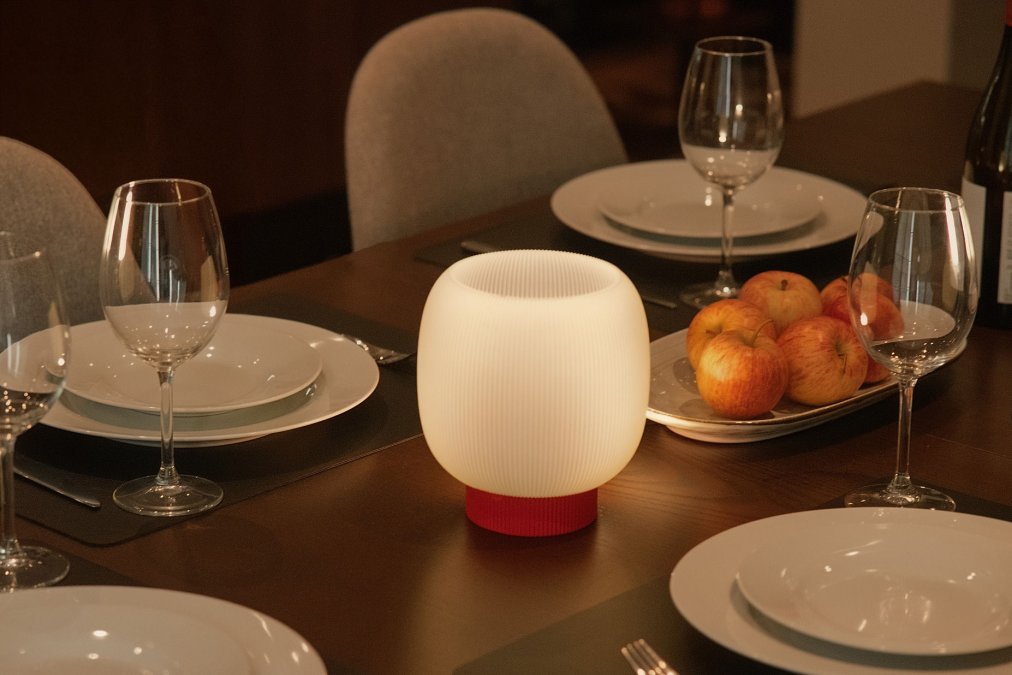
Why One Handmade Piece Reads Louder Than Five
A single object holds attention because nothing competes with it. Add a second, a third, a fourth, and the eye has nowhere to rest.
Here is what that looks like in practice:
- One sculptural lamp on a bare console: the eye lands and stays
- Five small ceramics on the same console: the eye skips across and leaves
- One textured vessel beside a plain wall: the texture registers
- Five textured objects together: the textures cancel each other out
How to Mix Textures in Home Decor Without Visual Noise
Texture stops a minimal room from feeling flat, but get it wrong and the room feels cluttered instead of layered. The skill in how to mix textures in home decor is knowing when to stop adding.
The Three-Texture Rule
Stick to three textures per surface. That is the whole rule.
A workable combination:
- Smooth: glass, glazed ceramic, polished wood
- Rough: raw linen, unglazed clay, woven jute
- Soft: wool, boucle, brushed cotton
Styling Sculptural Lighting as the Anchor of a Room
Styling sculptural lighting is the fastest way to change how a room feels at night. A sculptural lamp does two jobs: it lights the space and it acts as the object your eye rests on. That is why it belongs in the room before the art does.
Light Temperature: The Setting Most People Never Change
Color temperature is measured in kelvin (K), and it is the single most overlooked variable in home lighting.
- 2700K and below reads as warm, amber, and intimate. This is the range that flatters raw wood, unglazed clay, brass, and natural linen.
- 3000K is neutral-warm. Useful in kitchens and task areas, but it starts to flatten the warmth of handmade materials.
- 4000K and above reads as cool and clinical. It makes raw clay look gray and turns warm wood tones slightly green. Avoid it in living and sleeping spaces.
Beam Angle and Height: Where the Shadow Falls
A narrow beam throws a tight pool of light and leaves the rest of the room dark. A wide, diffused shade spreads light evenly and softens shadows. Both are useful, but they do different things to a handmade object.
- A narrow beam rakes across a textured surface and exaggerates every ridge and tool mark. Good for a single hero piece.
- A diffused shade wraps the object in even light and hides surface detail. Good for a calm, low-contrast room.
- A shade that sits below eye level keeps the bulb out of your line of sight and pushes light downward onto the surface, which is where the texture lives.
Placement rules that hold up:
- Keep the lamp below eye level when you are seated, so the shade shields the source
- Put it where you actually sit in the evening, not where it looks best in daylight
- Leave at least a hand's width of space around the form so the silhouette reads clearly
- Skip the overhead light entirely when the lamp is on, since mixing a cool ceiling source with a warm table source muddies both
Why Sculptural Lamps Earn Their Place First
A lamp like the Nami Table Lamp shows why form matters here. Its pleated shade borrows from Japanese paper lanterns, and the light it gives off is soft rather than direct. That softness is the difference between a room you want to sit in and a room you want to leave.

Lighting the Rest of the Room Around It
One lamp is rarely enough on its own. The goal is layers, not a single source.
- Ambient layer: the sculptural lamp itself, at 2700K or below
- Accent layer: a second, dimmer source aimed at a wall or a textile, to add depth without adding brightness
- Task layer: a small, directional light for reading, kept separate from the ambient pool
Minimalist Decor Styling Tips for Rooms With Handmade Pieces
Minimalist decor styling tips matter most when your objects are handmade, because handmade pieces already carry visual weight: irregular edges, visible tool marks, surfaces that change with the light. A minimal room gives them space to show that.
The Negative Space Ratio
A useful rule of thumb: aim for roughly two-thirds empty surface to one-third occupied on any given plane. A 90 cm console can hold one lamp and one small vessel with room to spare. The empty space is not wasted. It is the frame.
What to Keep
- Plain walls in a single tone, ideally matte rather than glossy
- One or two materials per surface, not four
- Empty space between objects, at least a hand's width
- Neutral floors and large furniture that recede rather than compete
- A single point of visual interest per sightline
What to Cut
- Patterned cushions behind textured objects
- Matching sets of anything, since sets read as manufactured
- Small decorative items that only fill gaps
- Anything you would not notice if it disappeared
- Symmetrical arrangements, which flatten the irregularity that makes handmade work interesting
The Cover Test
The test is simple. Cover an object with your hand. If the room looks the same without it, it is not doing work. Remove it.
Why This Matters More With Handmade Work
Mass-produced decor is designed to look correct from every angle and in every light. Handmade work is not. A wheel-thrown bowl has a slightly uneven rim; a hand-finished lamp has a shade a few millimeters off true. These marks of the maker only read as intentional when the room around them is composed enough to let them be seen.
Mixing Artisanal Pieces With Mass-Market Furniture
You do not need a house full of handmade furniture for handmade objects to work. The contrast helps: a mass-market sofa or plain table gives an artisan-made piece something quiet to sit against.
Three rules make the mix work:
- Keep mass-market pieces plain in shape and color
- Let the handmade piece be the only thing with texture on that surface
- Space them apart so they are not competing in the same view
Budget-Friendly Sourcing and Caring for What You Buy
Two things decide whether an artisanal piece lasts: where you buy it and how you look after it. Both are easier than most people expect.
Where to Find Handmade Pieces Without Overpaying
You do not need to spend the most to buy well. What you need is to know what you are paying for.
- Buy from makers who describe their process, not just their product
- Look at how a piece is finished, since finishing is where shortcuts show
- Start with one small piece before committing to a larger one
- Ask where and how it was made, and treat a vague answer as a signal
Simple Care Routines for Handmade Objects
Handmade objects need less care than people assume, but they do need the right kind.
- Dust with a dry, soft cloth rather than a damp one
- Keep pieces out of direct sun, which fades natural finishes over time
- Handle ceramics and lamps by the base, not the shade
- Keep liquids away from unsealed wood and raw clay
- Store spare pieces wrapped, not stacked
A Quick Reference for Styling Artisanal Home Decor
| Goal | What to Do | What to Avoid |
|---|---|---|
| Anchor a room | One sculptural lamp, low placement | Multiple statement pieces per surface |
| Add depth | Three textures per surface | Four or more textures together |
| Keep it calm | Plain walls, empty space | Patterned backgrounds |
| Mix with mass-market | Plain furniture, spaced apart | Ornate or glossy pieces nearby |
| Make it last | Dry dusting, indirect light | Damp cloths, direct sun |
The hardest part of styling handmade pieces is knowing when to stop. Most rooms improve when you take something out, not when you add something in. ORIJA designs and makes sculptural lighting in small batches in our Ontario studio, each piece made to order and finished by hand. Our table lamps are built to sit low, glow warm, and hold a room on their own, from the pleated Nami Table Lamp to the soft, rounded Mochi Table Lamp. Start with one piece.

Frequently Asked Questions
How do you mix artisanal decor with modern furniture?
Choose one handmade piece per zone and let the rest stay quiet. A sculptural table lamp on a plain side table, or a woven textile over a clean-lined sofa, gives the eye a focal point without competing with modern furniture. Keep the palette to two or three tones so the handmade texture, not the color, does the talking. The goal is contrast in material, not contrast in style.
What is the best way to display handmade home accessories?
Group in odd numbers and vary height. Three objects of different heights on a shelf, or a lamp beside a small vase and a stack of books, reads more considered than a single item centered alone. Leave empty space around each group so the handmade detail is visible. Rotate pieces seasonally rather than displaying everything at once.
How to balance sculptural lighting with existing decor?
Treat a sculptural lamp as the room's anchor and dim or remove competing light sources. Turn off overhead fixtures in the evening and let the lamp carry the room. If you already have strong art or patterned textiles nearby, keep the lamp's base neutral in tone. One sculptural light per seating area is usually enough; two in the same sightline start to compete.
Why is artisanal decor important for interior design?
Handmade pieces carry small irregularities that mass production removes, and those irregularities are what make a room feel lived in rather than staged. A hand-thrown vase or a woven shade adds texture, weight, and a sense of time that flat, uniform surfaces cannot. They also age well: patina on natural materials tends to improve a room rather than date it.